
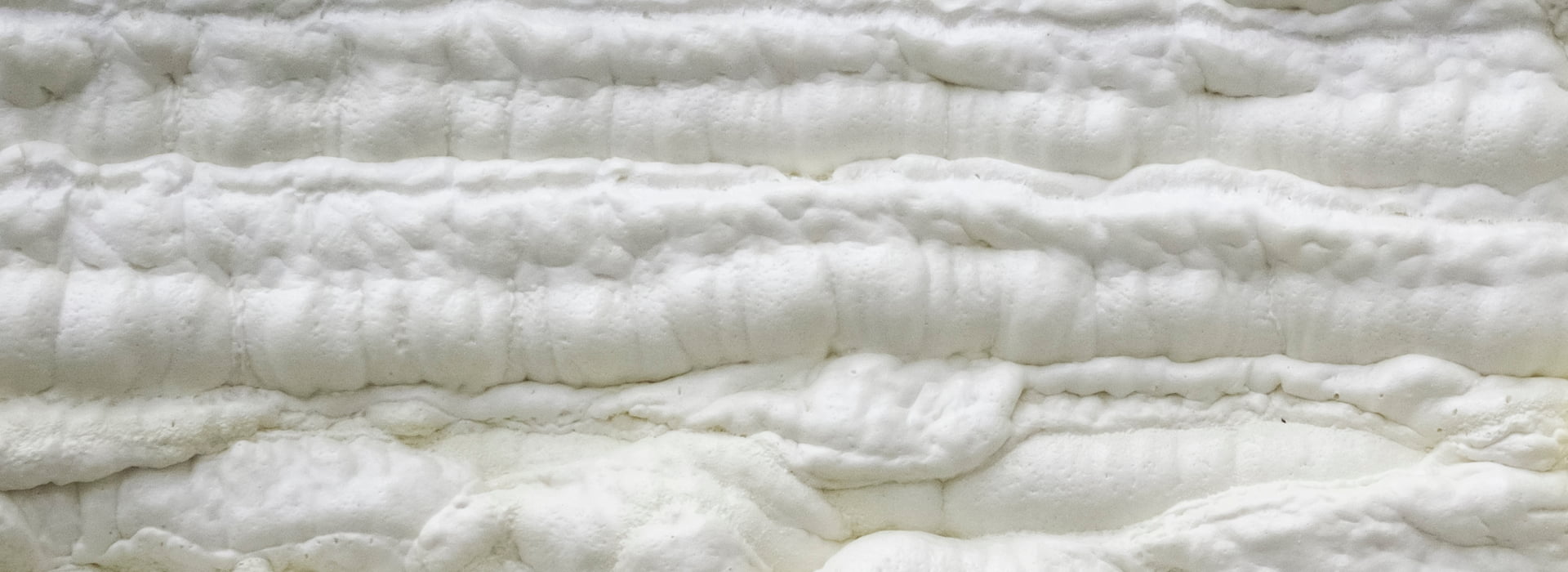
Spray Foam Insulation & VOC Concerns
Spray polyurethane foam insulation is widely used to improve energy efficiency, reduce air leakage, and enhance indoor comfort. When properly installed and cured, it combines insulation and air sealing into a single, highly effective system that helps stabilize indoor temperatures and reduce drafts.
However, indoor air quality (IAQ) concerns can arise when spray foam does not cure as intended, when a home is extremely airtight without adequate ventilation, or when occupants are sensitive to certain chemicals. In these situations, occupants may experience persistent odors or physical symptoms and understandably seek clear, science-based answers.
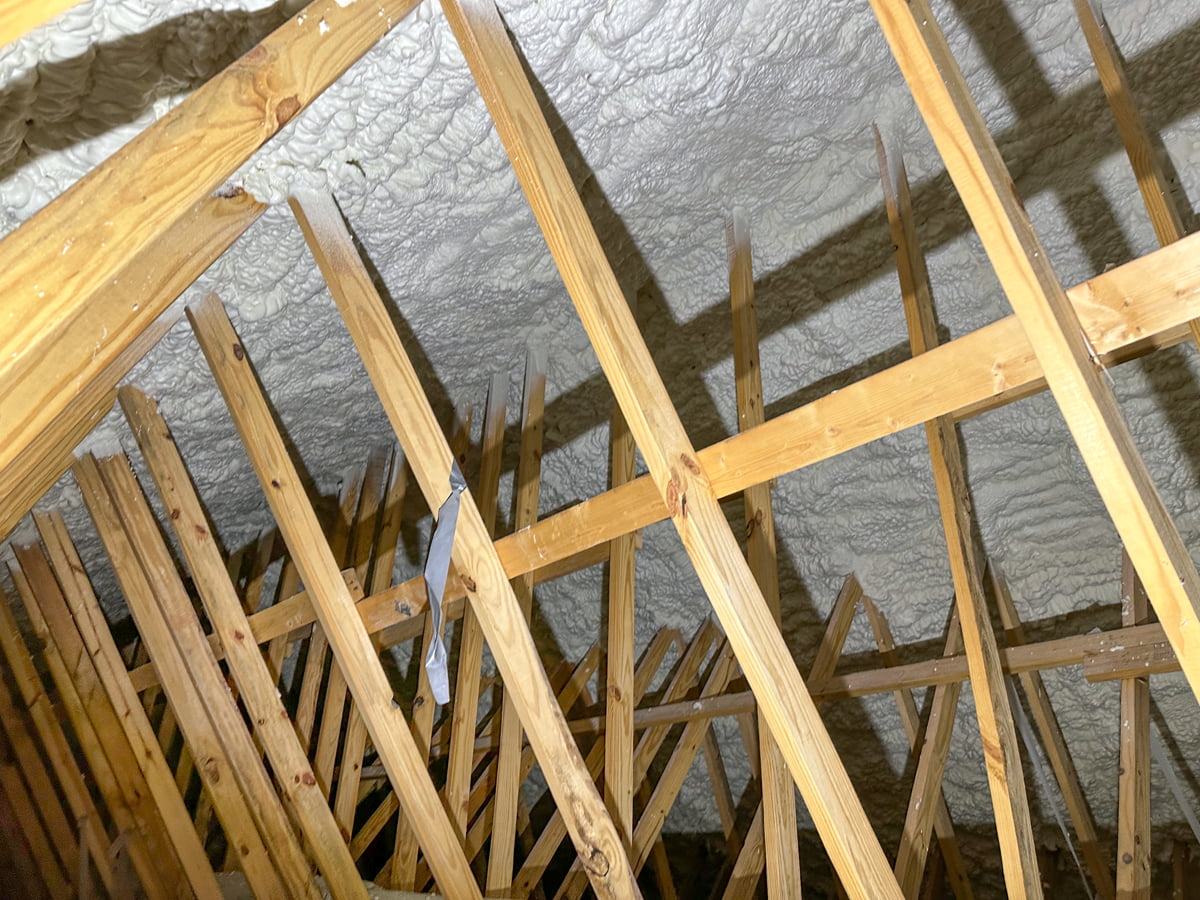

Why VOC Testing Matters
Volatile Organic Compounds (VOCs) are chemicals that can be released into indoor air from building materials and household products. In homes with spray foam insulation, VOC testing provides an evidence-based way to determine whether chemical levels are typical or elevated.
Rather than relying on assumptions or guesswork, testing helps identify:
- Whether VOC levels fall within normal indoor ranges
- Whether unusual or elevated compounds are present
- Whether further evaluation or corrective action may be appropriate
When VOC Testing Is Appropriate
Homeowners often seek testing when one or more of the following conditions are present:
- Persistent chemical, sweet, or unusual odors that do not fade over time
- Stuffy or uncomfortable rooms near foamed attics, crawlspaces, or wall cavities
- Eye, nose, throat, or respiratory irritation that worsens at home and improves when away
- Household members with asthma, chemical sensitivities or respiratory conditions
- Visible foam concerns such as:
- Sticky or soft foam
- Uneven or crumbly texture
- Scorched or improperly cured material
These signs can indicate off-ratio application, incomplete curing, or ventilation issues that warrant closer evaluation.
How Spray Foam VOC Testing Works
Our testing focuses on identifying compounds potentially associated with:
- The spray foam installation process
- Bulk material collection and measurement
- Long-term interaction with indoor conditions
To gain a complete understanding of indoor air quality, testing may include:
- Targeted air sampling
- Supporting measurements related to ventilation and building performance
This approach helps distinguish normal background VOCs from elevated or atypical findings.
Our Testing Process
- Initial Consultation
We review the building history, spray foam installation details, and occupant concerns to define a focused testing strategy. - On-Site Inspection
The spray foam installation and ventilation conditions are visually assessed, including how the home is air-sealed and how fresh air is introduced. - Targeted Sampling
Samples are collected in complaint areas and near foamed spaces where results will be most meaningful. All samples are analyzed by qualified laboratories using standardized methods. - Clear, Practical Results Review
We explain laboratory findings in plain language, comparing results to typical indoor air ranges and relevant guidelines. The goal is clarity, not alarm, so homeowners can make informed decisions about comfort, health, and building performance.
Take the First Step Toward Better Indoor Air Quality
At Volunteer Mold, we provide independent, objective indoor air quality evaluations for homeowners, builders, and property managers. When spray foam insulation is a concern, our role is to deliver clear, science-based insight focused on occupant well-being and overall building performance.
Contact us today to take the first right step toward understanding your indoor air quality.