

Post-Fire VOC & Toxic Metals Testing
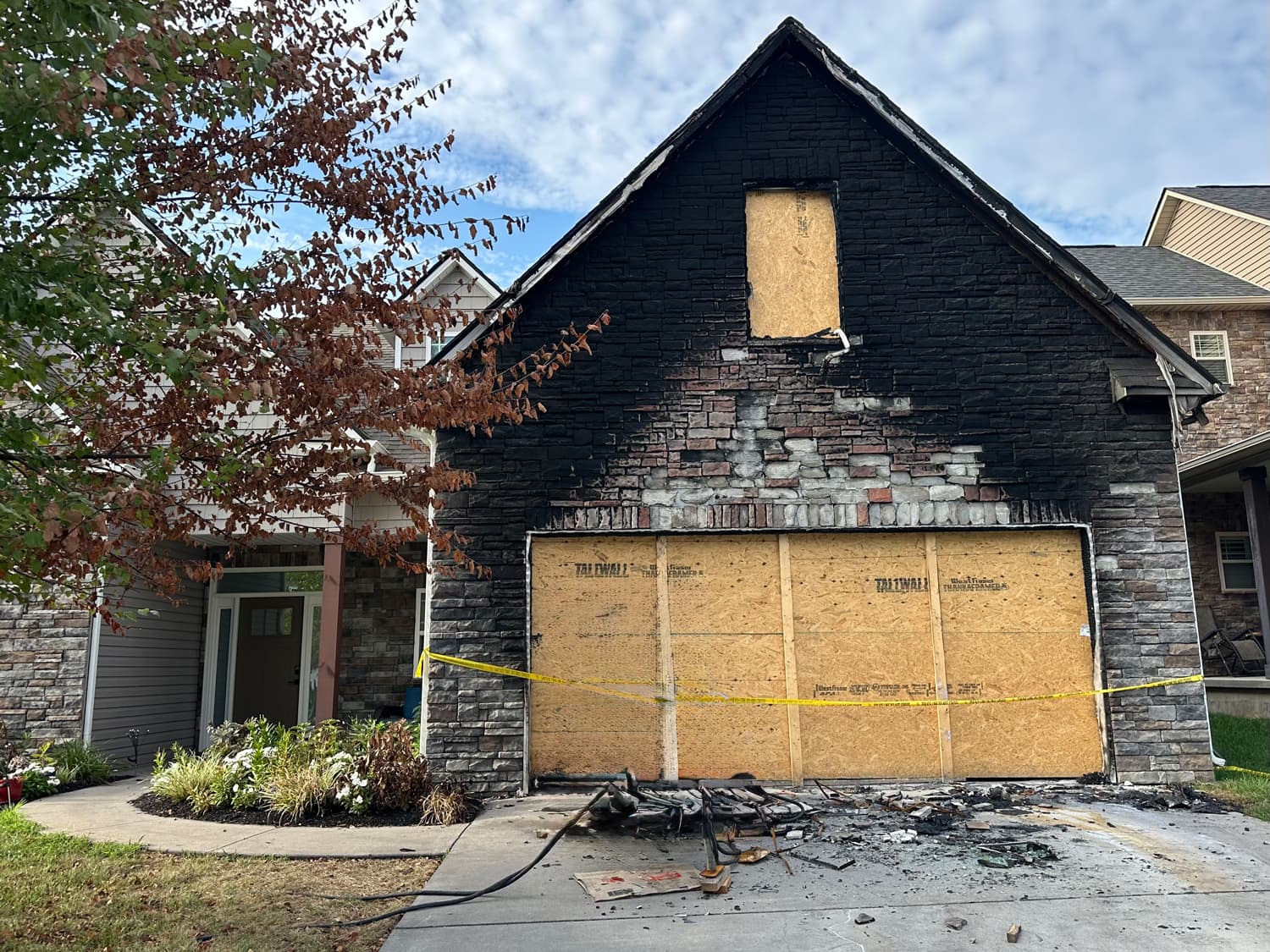
House fires are a traumatic and extremely stressful event for homeowners and occupants. Unfortunately, the health risks do not end once the fire is put out. When a fire occurs in an enclosed space such as a home, it can release microscopic particulates that travel far beyond the visible burn area. These particles are invisible to the naked eye and are not removed through ordinary cleaning methods. Long after smoke clears and repairs are made, this particulate contamination can remain embedded throughout a structure.
These microscopic particles can migrate through walls, insulation, and circulate through Heating, Ventilation, and Air Conditioning (HVAC) systems. Additionally, they can settle into carpets, bedding, clothing, drywall, and furniture. Over time, continued exposure may contribute to irritation of the eyes, nose, and throat, headaches, fatigue, fatigue, and other potential health concerns.
What We Test For and Why It Matters
Volunteer Mold tests for microscopic particulates and chemical byproducts (volatile organic compounds) commonly produced by fire, including:
- Heavy metals such as lead, arsenic, chromium, and antimony
- Dioxins and furans
- Polycyclic Aromatic Hydrocarbons (PAHs)
- Volatile Organic Compounds (VOCs)
- Fine soot and combustion residue
- Asbestos fibers where applicable
In many cases traditional insurance claim adjusters do not encourage analysis to include metals such as dioxins, furans, PAHs, VOCs, or other byproducts that remain at home after a fire. This gap in testing can leave significant contamination undiscovered and provide a huge health risk for the property owners.
Our Science Based Testing Process
Our approach is straightforward and grounded in science.
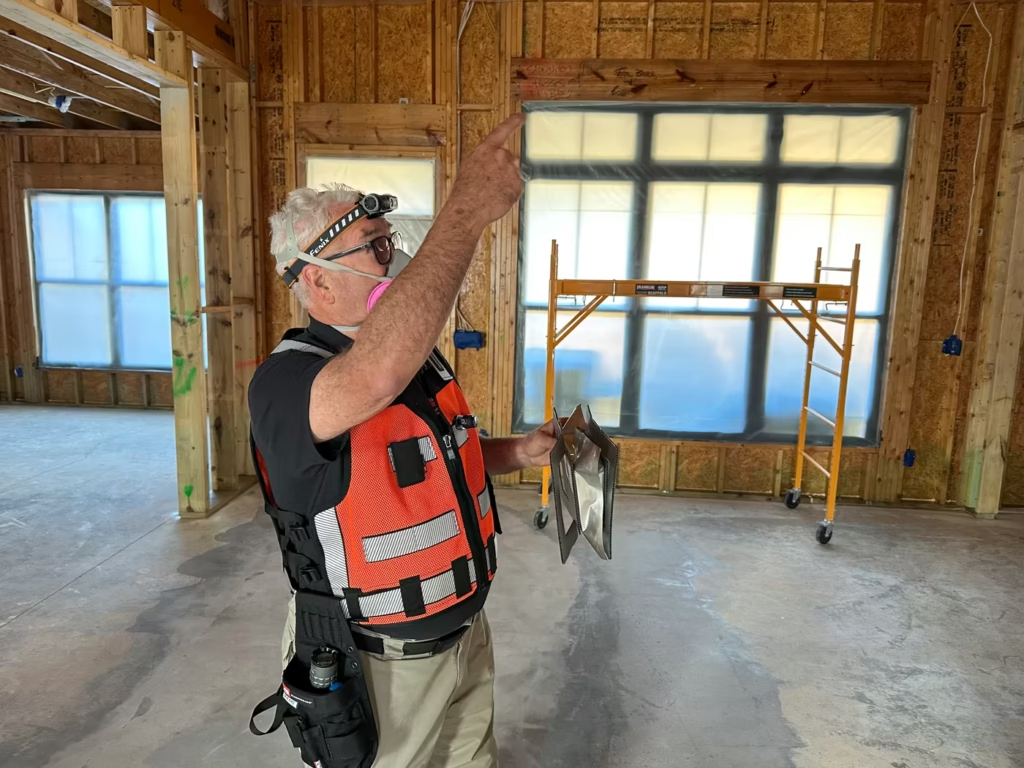
- Collect air and surface samples from key areas of your home
- Analyze samples for fire-related particulates and chemicals
- Compare results to established toxic threshold limits
- Provide a clear written plan if elevated levels are found
How Testing Protects Homeowners
Comprehensive post fire testing provides a clear understanding of what is present in the home, along with easy to read laboratory results and plain language explanations. Homeowners receive documentation suitable for sharing with insurance providers and guidance on appropriate remediation steps when contaminants are found.
Post fire testing is recommended after any structure fire, even when damage appears minor, when soot, smoke staining, or persistent odors are present, and before agreeing to an insurance settlement or scope of work. This information helps homeowners avoid accepting settlements that may be insufficient to properly restore their homes.